


Whirlpool Bath Blog
Latest news and trendsSpa Baths for Sale: What to Look For
Description
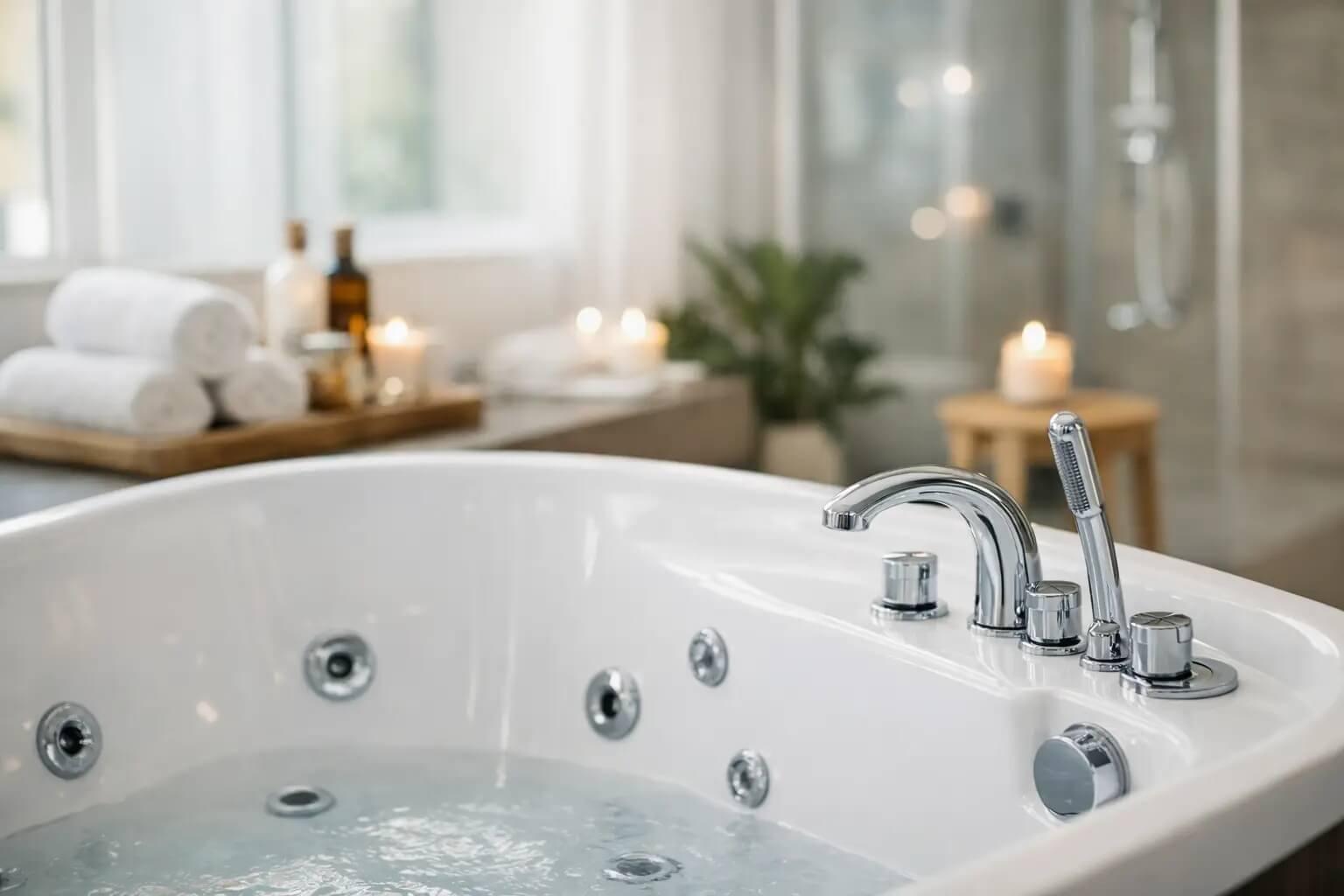
A spa bath can look perfect on the page and still be wrong for your bathroom. That is usually where buyers come unstuck. When people search for spa baths for sale, they are often comparing style first, when the better place to start is fit, function and how the bath will actually feel to use week after week.
A good spa bath should do more than add a touch of luxury. It needs to suit the room, the plumbing layout, the way you like to bathe and the level of maintenance you are comfortable with. Get those details right and a spa bath becomes one of the most satisfying upgrades in the house. Get them wrong, and even a premium model can feel like a compromise.
Why spa baths for sale vary so much
At first glance, many spa baths seem quite similar. The real differences tend to sit beneath the surface - pump quality, jet configuration, bath thickness, noise levels, support frames and the quality of the fittings. Those details affect comfort, longevity and the overall bathing experience far more than a glossy product image does.
There is also a wide range in bath formats. Some homeowners want a straightforward rectangular whirlpool bath that fits into a familiar alcove layout. Others are working with a corner bath, an offset design or a larger feature bath for a statement ensuite. None is universally better. It depends on your room and on whether your priority is saving space, creating a visual focal point or stretching out properly at the end of the day.
Price differences usually reflect more than size alone. A lower-cost option may still be a good choice if it uses reliable components and suits a simple bathroom update. Higher-end models tend to bring more refined jet placement, better build quality and a stronger sense of finish, which matters if the bath is the centrepiece of a full renovation.
Start with the shape and size
Before thinking about jet counts or control systems, measure the room properly. Not just the available floor space, but access routes, wall positions, window openings and where the waste and water supplies sit. A bath that technically fits can still create awkward gaps, crowded walkways or installation headaches.
Rectangular spa baths remain the most versatile option for many UK homes. They sit comfortably in standard bathroom layouts, work well in family bathrooms and are usually the easiest choice when replacing an existing bath. Corner baths can make excellent use of space in certain rooms, especially where a conventional footprint feels too restrictive, but they need careful planning so the room does not feel dominated by the bath itself.
Depth matters as much as length. Some buyers focus on having a long bath, only to find the internal shape is less supportive than expected. A well-designed bathing area with a comfortable backrest and sensible depth can feel better than a larger bath with a flatter, less considered interior.
What the jet system actually changes
This is one of the biggest differences between standard baths and better spa bathing products. Jets are not there simply to create bubbles. Their placement, strength and type affect whether the experience feels gently soothing or more targeted and invigorating.
A basic whirlpool system may be ideal if you want a calm, uncomplicated massage effect and a more accessible price point. More advanced systems can offer a fuller body experience, with jets positioned to work across the back, sides and legs. That can make a real difference if your aim is muscle relaxation rather than just visual appeal.
It is worth thinking honestly about how you will use the bath. If you mainly want a quiet, restorative soak after work, a balanced system with thoughtful jet positioning may suit you better than the highest jet count available. More does not always mean more comfortable. Stronger performance is only a benefit if it feels right in practice.
Noise is another factor people often overlook. Pump quality and system design influence how relaxing the experience feels. A spa bath should add comfort, not mechanical distraction.
Materials, build quality and day-to-day confidence
A spa bath is not an impulse buy. Most customers want reassurance that what they choose will still feel solid and look smart years down the line. That is where bath construction becomes important.
High-quality acrylic remains a popular choice because it offers a smooth finish, good heat retention and a clean appearance that works across both contemporary and classic bathrooms. The strength beneath that finish matters too. A well-supported bath with proper reinforcement feels more secure underfoot and more substantial in daily use.
The frame, panel fit and component quality all contribute to the overall standard. These are not always the first things shoppers ask about, yet they affect installation and long-term reliability. A specialist retailer is valuable here because the guidance tends to go beyond surface-level design talk and into the practical details that shape ownership.
Choosing features you will genuinely use
Some features are worth paying for. Some sound impressive, but add little if they do not suit your routine. The smartest approach is to match features to your own version of comfort.
Chromotherapy lighting, upgraded controls, and more tailored massage functions can all enhance the experience when chosen for the right bathroom and buyer. Equally, a simpler setup may be the better option if your aim is straightforward relaxation, reliable performance and easier operation for the whole household.
Think about who will use the bath most often. In a main family bathroom, intuitive controls and easy cleaning may matter more than added effects. In a master ensuite, you may be more focused on ambience, visual finish and a more indulgent bathing experience.
This is where complete bathroom planning often comes into play. The right taps, shower option, panels and surrounding furniture all influence whether the finished room feels cohesive. A spa bath should not look like an isolated luxury item dropped into an otherwise standard bathroom. It works best when the whole space supports the same level of comfort and finish.
Spa baths for sale and installation planning
Buying the bath is only part of the decision. Installation needs equal attention, particularly with whirlpool systems. Electrical requirements, access for servicing, waste positioning and floor strength should all be considered early, not once the bath has arrived.
If you are replacing an existing bath, the process may be relatively straightforward, but even then, it is worth checking every measurement and service point. In a full renovation, there is more flexibility, though that can create more choices to make around layout and compatibility.
For many homeowners, this is the point at which a specialist becomes most useful. Advice grounded in real product knowledge can prevent expensive delays and help ensure the bath, fittings, and wider bathroom suite work together properly. The Spa Bath Co., for example, has built its reputation on this kind of focused guidance rather than trying to be a generalist seller of everything.
Balancing budget with long-term value
Everyone has a number in mind, but the cheapest route is not always the best value. A spa bath sits in that category of purchase where comfort, reliability and finish matter every time you use it. Saving money upfront can be sensible, but only if it does not mean compromising on the core parts of the experience.
It often makes sense to decide which elements are non-negotiable. That might be a certain size, a specific bath shape, a more refined jet system or a stronger overall build. Once those essentials are clear, it becomes much easier to compare products sensibly rather than chasing features you may never use.
For some buyers, the better investment is a higher-quality bath with fewer extras. For others, the priority is creating a more luxurious ensuite where added features are part of the point. Neither approach is wrong. The right answer depends on whether this is a practical family upgrade, a design-led renovation or the finishing touch in a more premium bathroom project.
The best spa bath is the one that fits your life
There is no single best option among the many spa baths for sale. The right bath is the one that fits your room, supports your routine and delivers the level of comfort you actually want to come home to. A well-chosen spa bath should feel easy to live with and genuinely rewarding to use, not like a feature you admired once and then stopped noticing.
If you approach the decision with a clear eye on size, system quality, installation and day-to-day comfort, the result is usually far better than choosing on looks alone. Done properly, a spa bath is not just a bathroom upgrade. It changes how the room feels at the end of a long day - and that is where the real value starts.