

Acrylic vs Steel Baths - Which Is Best for You?
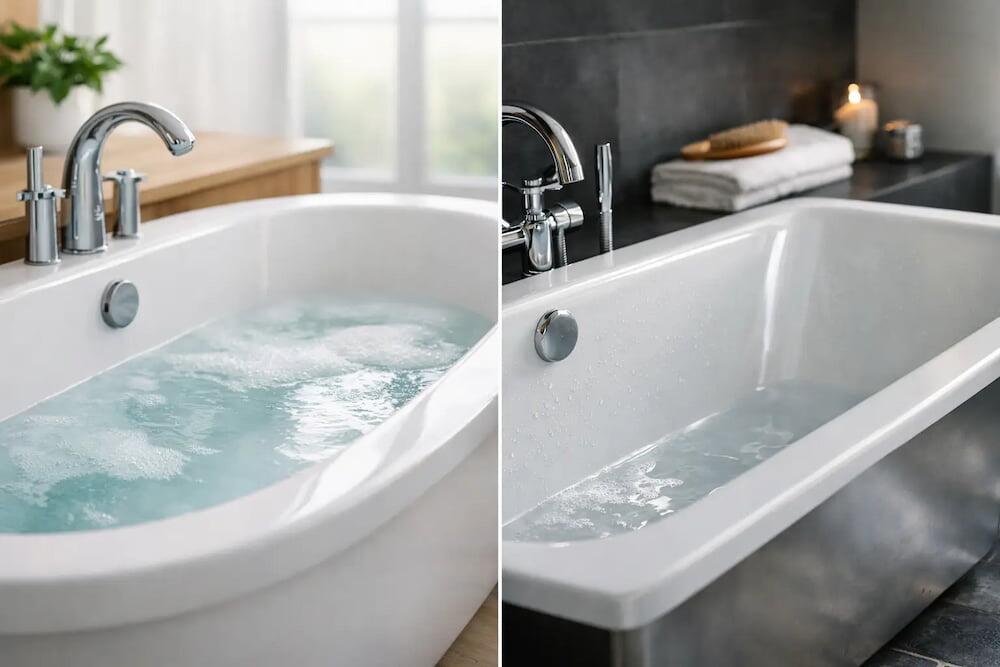
The first few seconds of a bath matter. A surface that feels pleasantly warm, holds the water temperature and supports a long, quiet soak can make an ordinary evening feel more restorative. When people compare acrylic vs steel baths, the discussion usually centres on warmth, weight, durability and the overall feel of the bathroom.
At The Spa Bath Co. we only sell acrylic baths. Every whirlpool and spa bath in our range is made from high-quality sanitary-grade acrylic. That is a deliberate choice. Acrylic gives us the design freedom, thermal comfort and practical advantages that modern spa-style bathrooms need. At the same time, our two reinforced options – Beauforte and TrojanCast – deliver the rigidity and long-term strength that many people traditionally associate with steel.
This article explains the real differences between acrylic and steel, shows where reinforced acrylic closes the gap on strength, and helps you decide which route makes most sense for your bathroom.
Acrylic vs steel baths: the essential difference
An acrylic bath is moulded from acrylic sheet and reinforced underneath with fibreglass and a supporting frame or base. This construction allows a huge choice of shapes – from compact shower baths to deep freestanding designs and purpose-built whirlpool baths. Acrylic is naturally warmer to the touch than metal, which is one reason it remains the preferred material for relaxation-led bathrooms.
A steel bath is formed from pressed steel and finished with a hard enamel coating. Its appeal is the clean lines, crisp surface and solid feel. Steel baths are often chosen for pared-back, architectural schemes where a classic rectangular shape or slim profile is wanted.
Neither material is automatically superior. What matters is how the bath is made, supported and installed. A well-reinforced acrylic bath with a proper frame feels substantial and stable. A poorly supported acrylic bath can flex. The same principle applies to steel: correct installation is essential.
Warmth and comfort
For long bathing sessions, acrylic has a clear practical advantage. It does not feel as cold when you first step in, and it generally provides better insulation than steel. The bath itself does not heat the water, but it is less likely to draw warmth away from it. That creates a gentler, more comfortable start to a soak.
Steel conducts temperature quickly, so an unfilled steel bath can feel cool against the skin. Once filled with warm water the difference lessens, yet those who enjoy slow, indulgent baths usually prefer the naturally warmer feel of acrylic. Extra insulation under a steel bath can help, but it has to be planned into the installation.
Comfort also comes down to shape. Acrylic is easier to mould into generous back rests, soft internal curves and deeper bathing wells – features that matter when you are choosing a whirlpool bath designed for real relaxation.
Weight and installation
Acrylic baths are usually lighter than steel equivalents. This makes them easier to manoeuvre through a home and position during fitting – especially helpful in upstairs bathrooms, tight stairwells and renovation projects where access is limited.
Steel baths are not as heavy as traditional cast-iron, but they are still heavier than acrylic. The total load of bath, water and bather needs to be considered, particularly with larger models. Support is just as important as material. An acrylic bath must sit on its supplied frame, feet or approved support system and be adjusted carefully so the rim and base are stable. A bath that is allowed to flex can feel less substantial over time and may place unnecessary strain on seals.
Durability, repairs and daily care
A quality acrylic bath is designed for everyday use. Its surface is non-porous, easy to clean and available in a bright, consistent white that works with most bathroom furniture and brassware. Small scratches can sometimes be polished out or repaired – useful in busy households. Harsh scouring pads, abrasive powders and strong solvents should be avoided.
The enamel finish on a steel bath is exceptionally hard and resistant to staining and ordinary cleaning wear. Its main vulnerability is impact damage. If a heavy object chips the enamel, the exposed area should be repaired promptly to prevent moisture reaching the steel beneath.
Daily care for either material is straightforward: soft cloth or sponge, a suitable non-abrasive cleaner, and good ventilation.
Sound and the feeling of quality
Steel can sound louder as water first hits the basin. Insulation or sound-deadening treatment under the bath can reduce the effect. Acrylic tends to be quieter. The perceived quality of an acrylic bath, however, varies with the level of reinforcement. A thin, lightly reinforced model may flex under weight. A well-reinforced bath with a sturdy frame feels stable and substantial.
This is exactly where Beauforte and TrojanCast change the conversation.
Beauforte and TrojanCast – acrylic that matches steel strength
We only sell acrylic baths because the material gives us the warmth, shape flexibility and practical advantages that spa and whirlpool bathing need. At the same time, we recognise that many people want the rigid, “set-and-forget” feel traditionally associated with steel or cast iron.
That is why we offer two intensive reinforcement processes:
- Beauforte – an ultra-strong reinforcement layer applied to selected Beaufort baths. Independent testing and manufacturer data show Beauforte baths are significantly stronger than standard acrylic (often described as twice as strong or around 45 % stronger than typical acrylic) and comparable in rigidity to steel enamel baths. The added material also improves heat retention and reduces movement once the bath is installed.
- TrojanCast – Trojan’s intensive reinforcement process. A distinctive resin jacket covers the entire underside of the bath, adding substantial strength, rigidity, and insulating properties. TrojanCast baths are designed to deliver the solid feel traditionally associated with cast-iron or steel while retaining the natural warmth and lighter weight of acrylic.
Both systems keep the surface that you actually touch and clean as smooth, warm acrylic. The reinforcement works on the underside and structure, so you gain steel-like stability without losing the comfort advantages of acrylic.
Which material works best for a spa-style bathroom?
For a bathroom designed around relaxation, acrylic – especially reinforced acrylic – is the more versatile and practical choice. It supports the deep, ergonomic shapes used in modern whirlpool baths, accommodates jets and pipework cleanly, and keeps the bathing experience warmer and quieter. Because we only work with acrylic, every bath we supply is already suited to spa-style use.
Steel still has a place in certain architectural schemes that prioritise a crisp, minimal look. However, once you factor in warmth, weight, installation practicality and the ability to create the shapes people actually want for hydrotherapy, reinforced acrylic solves most of the traditional objections to acrylic while retaining its strengths.
If you are choosing a whirlpool bath, always select a model designed and manufactured for that purpose. Retrofitting is not a substitute for an integrated system. Plan access for servicing, suitable electrical work and enough room around the bath for a neat, safe installation.
Style, shape and budget
Acrylic offers the widest visual choice – L-shaped shower baths, corner models, double-ended baths, freestanding centrepieces and purpose-built whirlpool designs. Beauforte and TrojanCast versions are available across many of these shapes, so you do not have to sacrifice style for strength.
Steel baths tend to have a more limited range of shapes. Prices for both materials vary by specification, so compare the complete package (reinforcement level, warranty, frame, and accessories) rather than assuming one material is always more expensive.
How to make the right choice
If warmth, a quieter fill, sculpted comfort, lighter weight and a wide choice of spa-ready shapes matter to you, acrylic is the clear direction. Within acrylic, choosing Beauforte or TrojanCast reinforcement gives you the extra rigidity and long-term confidence that many people seek when they look at steel.
Steel remains a valid option if your priority is a hard enamel surface and a very traditional, slim-edged aesthetic – and you are comfortable with its cooler initial touch and higher weight.
Before deciding, check dimensions, internal depth, waste position, tap compatibility and support requirements. Stand beside the bath and imagine everyday use: getting in and out, bathing children, cleaning around the edges and enjoying a proper soak after a long week.
A bath is one of the most used pieces in a bathroom. Seeing the finish and shape in person, and talking through the practical details with a specialist who only works with high-quality acrylic systems, helps turn a good-looking choice into a bathroom you will genuinely enjoy for years.
Quick comparison at a glance
| Feature | Standard Acrylic | Beauforte / TrojanCast | Steel (enamelled) |
|---|---|---|---|
| Initial feel | Warm to the touch | Warm to the touch | Cooler until filled |
| Heat retention | Good | Excellent (extra insulation) | Improves with added insulation |
| Rigidity/strength | Good when properly framed | Comparable to steel | Very rigid |
| Weight | Lightest | Still lighter than steel | Heavier |
| Shape flexibility | Excellent | Excellent | More limited |
| Best for | Everyday comfort & value | Spa-style & long-term rigidity | Crisp architectural schemes |
Related reading
- Luxury UK-made whirlpool baths
- Beaufort & Trojan brands explained
- The ultimate whirlpool bath buyer’s guide
- Best spa baths UK: what to look for in 2026
- How to choose a spa bath that fits your bathroom and lifestyle