


Whirlpool Bath Blog
Latest news and trendsSpa Bath Sizes Explained for Real Homes
Description
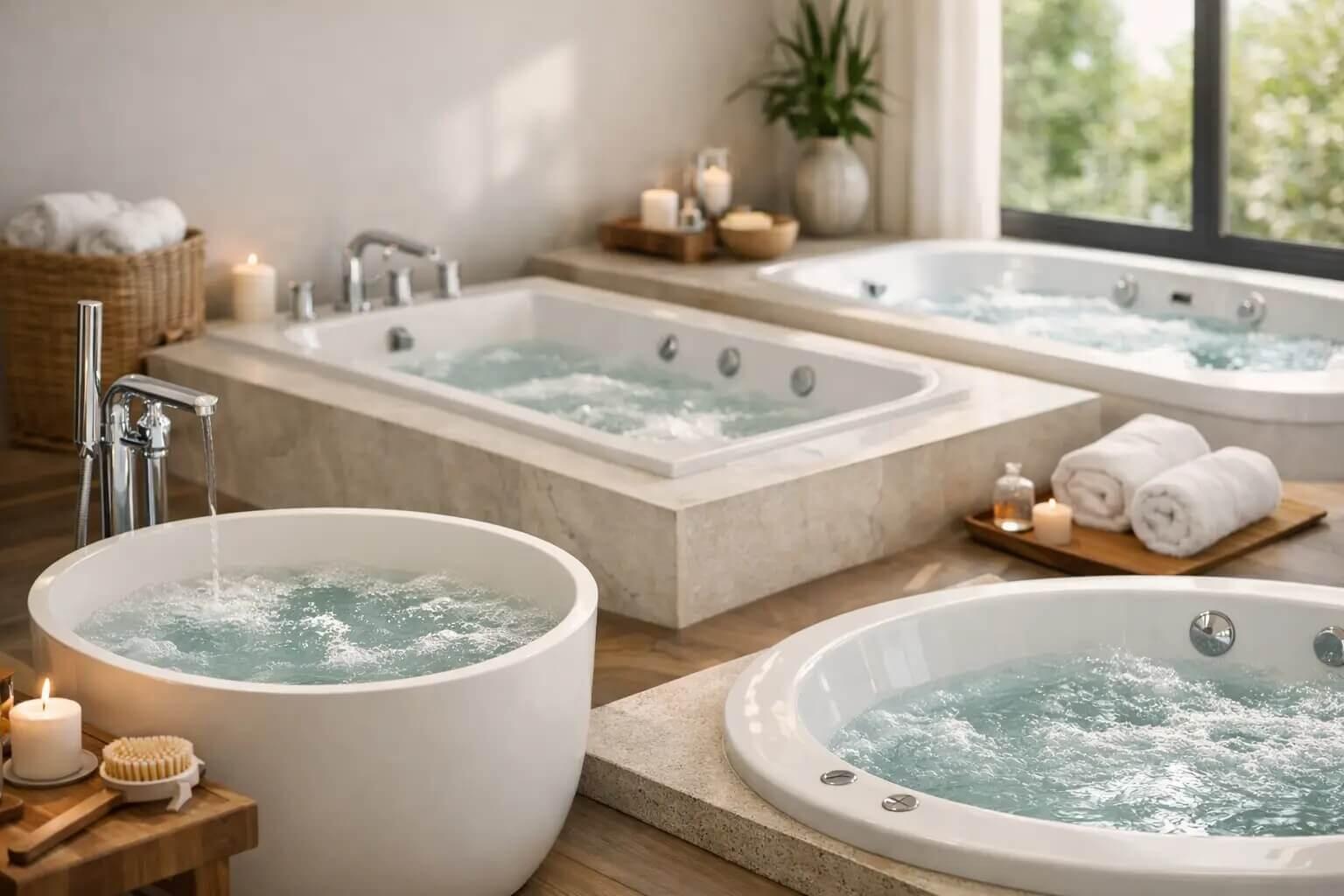
A spa bath can look perfect on paper and still feel wrong once it is in the room. That is usually not a style problem. It is a sizing problem. Getting spa bath sizes right affects everything from comfort and water depth to how easily you move around the bathroom and whether the finished space feels calm or cramped.
For most homeowners, the best choice is not the biggest bath they can squeeze in. It is the size that suits the room, the people using it and the kind of bathing experience they actually want. A well-chosen spa bath should feel generous without overpowering the space, and practical without losing that sense of everyday luxury.
Why spa bath sizes matter more than standard bath sizing
With a standard straight bath, dimensions are often treated as a simple fitting exercise. If it goes wall to wall and leaves enough clearance, it is good to go. Spa baths need a more considered approach because the bathing experience is part of the purchase.
Jets, internal contours, backrests and deeper soaking areas all influence how a bath feels in use. Two baths with similar external dimensions can offer very different internal space. One may give you a comfortable, immersive soak, while another uses more of its footprint on styling, rim width or integrated features.
That is why external length and width are only the start. When comparing spa bath sizes, you also need to think about internal bathing area, depth, edge profile and where the controls sit. A bath that looks large enough may feel tighter than expected once you are actually in it.
Common spa bath sizes and what they suit
Most spa baths fall into a few familiar size brackets, although the right one depends on layout as much as square footage.
Small spa baths
Smaller models are often around 1500mm in length, sometimes paired with a narrower width for compact bathrooms or en suites. These can work very well where space is limited, but you still want the comfort and upgrade feel of a whirlpool bath.
The trade-off is stretching the room. If you are taller, a short bath may not give you the fully reclined soak you are hoping for. That does not make it a poor choice, but it does mean expectations should match the space available.
Medium spa bath sizes
For many homes, the sweet spot sits around 1600mm to 1700mm long. This is often where you get the best balance between comfort, layout flexibility and strong visual proportion in a typical family bathroom.
A medium-sized spa bath usually feels noticeably more generous than a compact model without demanding a large room. For homeowners upgrading from a standard bath, this is often the most practical route to a more luxurious bathing experience.
Large spa baths
Larger options, often 1800mm and above or with more substantial width, are ideal where the room can support them properly. In the right setting, they create real impact and a more indulgent soak, especially for taller users or couples looking at double-ended designs.
The key phrase is in the right setting. A large spa bath in a modest bathroom can quickly dominate the room, leaving too little circulation space and making the whole scheme feel heavier than intended.
Length, width and depth - what really changes the experience
Length tends to get the most attention, but width and depth often make the bigger difference to comfort.
A bath with extra width can feel more relaxed through the shoulders and arms, particularly in square-ended or double-ended styles. That extra room can make the bathing experience feel properly spa-like rather than simply functional. Width also matters if you want a bath that feels less confining, especially when jets are integrated into the side walls.
Depth is just as important. A deeper bath can provide a more immersive soak, which is part of the appeal for many people choosing a spa model in the first place. But deeper baths also require more water, and step-in height becomes more relevant for children, older family members or anyone wanting easier access.
This is where it depends on your household. If your priority is long, quiet evening soaks, a deeper model may be exactly what you want. If the bath will be used daily by a mixed household, ease of entry and practical running costs may matter just as much as depth.
Choosing spa bath sizes by bathroom layout
The room itself often decides more than the wish list does.
Straight baths in standard bathrooms
In a conventional bathroom layout, a straight spa bath is usually the easiest fit. It works neatly along one wall, keeps plumbing straightforward and leaves more freedom for the basin, WC and storage. If your room is average in size, this shape often gives the cleanest result.
Corner and offset styles
Corner spa baths can be a strong option when you want a more statement-led look or when the room shape makes a straight bath less effective. They can offer a generous internal bathing area, but they do need floor space in the right place. In a small room, they sometimes use more visual and physical space than expected.
Offset designs can work well where you want a broader bathing end without committing to a fully corner-led layout. They are often a useful middle ground between practical planning and a more luxurious feel.
Shower bath combinations
If the bath also needs to handle everyday showering, size decisions become more nuanced. You need enough width at the standing end to make shower use comfortable, while still keeping the bath proportionate to the room. This is one of those situations where the biggest bath is not always the most effective one.
Think beyond the footprint
One of the most common mistakes is focusing only on whether the bath fits into the allocated space. In reality, you need to consider how it will live in the room.
Will there be enough space to step out comfortably? Can the side panel or access area be reached if maintenance is ever needed? Does the size of the bath leave the basin or WC feeling squeezed? A spa bath should improve the room, not force every other element into compromise.
Ceiling height and overall room proportion matter too. In a smaller bathroom, a tall, deep-sided bath can feel visually bulky even if the floor measurements technically work. In a larger room, that same bath may look balanced and luxurious.
The difference between one-person comfort and shared bathing
Some buyers look at larger spa bath sizes because they want the option of bathing as a couple. That can make sense, but it is worth being realistic about what that requires.
A two-person bath needs more than just extra length. Internal shape, tap placement, backrest design and central waste position all play a part. A bath marketed as spacious may still be more comfortable for one than for two.
If shared bathing is a genuine priority, double-ended styles are often worth considering because they are designed with comfort at both ends in mind. If it is only an occasional extra, a generously sized single-user model may be the better all-round choice for the room.
Practical checks before you decide
Before settling on a size, it helps to look at the room as a complete project rather than an isolated bath purchase. Measure carefully, including awkward points such as door swings, window projections and sloped ceilings. Think about who will use the bath most often, and whether their height or mobility changes what counts as comfortable.
It is also sensible to check water capacity, not just dimensions. Larger and deeper baths can be wonderfully indulgent, but they do ask more of your hot water supply. In some homes, especially during renovation planning, this becomes an important practical consideration rather than a minor detail.
Installation access should not be overlooked either. A bath may fit the bathroom perfectly but be difficult to manoeuvre through the house, up the stairs or into the room itself. This is where specialist guidance can save a lot of frustration.
What size spa bath is right for most homes?
For many UK homes, a mid-sized spa bath gives the best result. It provides enough room to feel like a meaningful upgrade from a standard bath, while still fitting comfortably into a practical family bathroom layout. That balance is often where comfort, appearance and usability meet.
That said, there is no single best answer. If you are working with a compact room, a smaller spa bath can still deliver real comfort when the internal design is well considered. If you have the space for something larger, the added room and presence can transform the bathroom into a more relaxing retreat.
The right choice is the one that makes the room work better, and your bathing experience feel better. Size should support both. When it does, a spa bath stops being just another fixture and starts to become the part of the bathroom you look forward to using most.