

Spa Bathrooms: How to Create One That Works
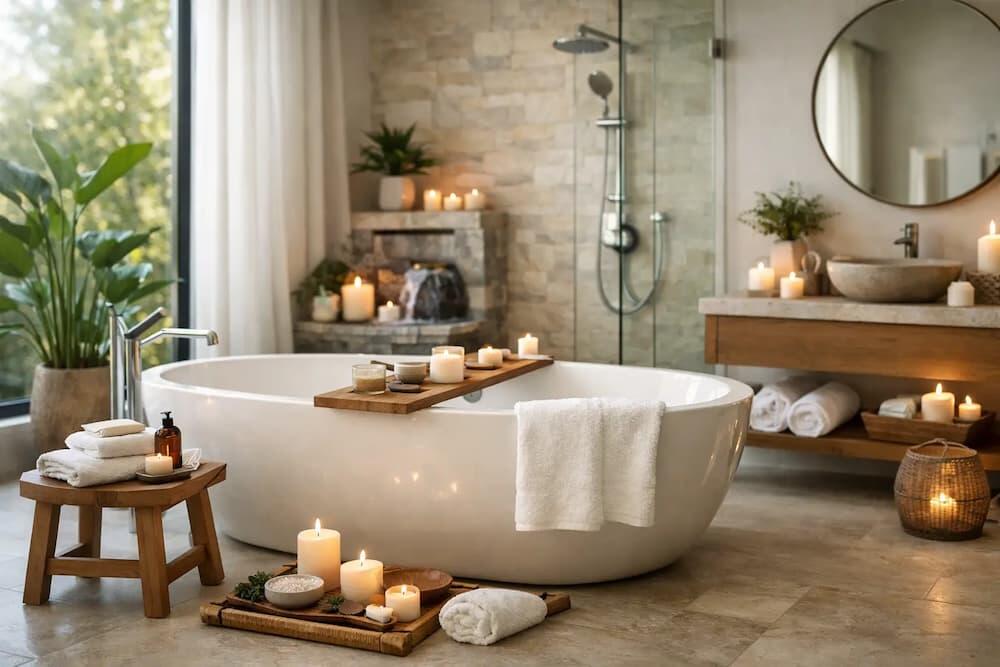
A quiet soak after a demanding day should not depend on a rare hotel break. The most successful spa bathrooms bring that feeling into the room you use every morning and evening, with choices that are as practical as they are indulgent. The difference lies in planning the experience first, then selecting the bath, shower, fittings and finishes that support it.
A spa-style bathroom does not have to be oversized or fitted with designer-only products. It does, however, need to work well. A beautiful freestanding bath loses its appeal if there is nowhere to set a towel or reach the taps, while a powerful shower feels far less relaxing in a cramped, poorly ventilated enclosure. Start with how you want the room to feel and how your household will use it.
Start spa bathrooms with your daily routine
Before choosing tiles or taps, decide what relaxation looks like in your home. For some people, it is a deep bath with warm water and targeted massage jets. For others, it is a generous walk-in shower, soft lighting and a room that stays tidy with minimal effort. Many family bathrooms need to provide both a quick weekday wash and a restorative evening soak.
This early decision helps you spend where it matters. If bathing is central to your routine, a whirlpool bath may deserve more of the budget than decorative wall finishes. If two people regularly need the bathroom at once, a double basin or a more considered layout could make a greater difference every day.
Think about the practical realities as well. Who will use the room? Is it the main family bathroom, an en-suite or a dedicated space for unwinding? Will a bath be used often enough to justify the floor area? Honest answers avoid a room that looks impressive on installation day but does not suit real life.
Let the layout lead the design
A well-planned layout makes even a modest bathroom feel composed. Keep clear access around the bath, basin and WC, and allow enough room for cupboard doors, shower screens and drawers to open properly. Where the room is narrow, a shower bath or a compact corner bath can offer a better balance than forcing in a large freestanding model.
Consider sightlines from the doorway. A bath positioned as the focal point can immediately set a calmer tone, particularly where it sits against a tiled feature wall or below a window. In a smaller room, a wall-mounted vanity and a clear shower screen reduce visual weight and help the space feel more open.
If you are renovating an existing bathroom, retaining the current position of soil pipes and major plumbing may keep costs more controlled. Moving everything is possible, but it can add substantially to the installation work. The best plan is usually the one that improves the experience without creating unnecessary complexity.
Choose the bathing experience first
The bath is often the heart of a spa-inspired scheme, but shape alone should not make the decision. Internal dimensions, back support, water capacity and where the waste is positioned all affect comfort. A bath can look long and luxurious externally yet have a smaller usable bathing area than expected.
Whirlpool baths add another layer to the choice. Their jets circulate water to create an active, massage-like bathing experience, turning an ordinary soak into something more restorative. The arrangement and type of jets matter: some systems focus on a gentle all-over sensation, while others provide more directed action around areas such as the back, legs and feet.
Choose a system that suits the way you relax rather than simply selecting the highest number of features. If you prefer a peaceful soak, quieter operation and easy controls may be your priorities. If you want a more invigorating experience after exercise or physical work, a system with adjustable intensity may be a stronger fit. Ask about the placement of controls, access for servicing and the cleaning process before committing.
Installation requirements deserve proper attention. Whirlpool baths need suitable electrical provision, and the bath structure must be properly supported and accessible where maintenance is required. A qualified installer should assess the room before work begins, particularly in older properties where existing services may be less straightforward. Specialist advice at this stage protects both the product and your investment.
At The Spa Bath Co., the focus has been on specialist bathing solutions since 2003, which matters when details such as bath format, jet configuration and installation compatibility need to be considered together rather than as separate purchases.
Do not overlook the shower
A bath-led room can still benefit from an excellent shower. A rainfall head creates a broad, enveloping flow, while a separate handset is useful for rinsing, cleaning and more flexible daily use. Thermostatic controls are a worthwhile choice for family homes, helping maintain a stable water temperature when other taps are running.
For an open, contemporary finish, consider a walk-in shower with a fixed glass panel. It can make the room feel larger, but it needs enough floor space and thoughtful drainage to contain splash. In a compact bathroom, a well-designed enclosure may be the more sensible option. Spa style should never come at the expense of a dry, comfortable floor.
Create a calmer sensory finish
The strongest spa bathrooms rely on restrained materials rather than excess. Large-format porcelain tiles can reduce grout lines and make cleaning easier, while stone-effect finishes bring warmth without the upkeep associated with some natural materials. Soft whites, warm greys, muted greens and sandy neutrals tend to age well and create a restful backdrop.
Texture prevents a neutral scheme from feeling flat. Pair a smooth bath with fluted furniture, matt tiles with polished chrome, or pale surfaces with timber-effect cabinetry. Keep the palette focused. Too many competing finishes can make a room feel more like a showroom display than a place to switch off.
Lighting changes the atmosphere more than most homeowners expect. Bright, even task lighting around the mirror is essential for shaving, skincare and make-up. Then add softer layers: dimmable ceiling lights, a gentle glow beneath a vanity unit or discreet wall lights can transform an evening bath. All fittings must be suitable for their location within the bathroom, so involve a qualified electrician in the plan.
Warmth is part of comfort too. Underfloor heating makes tiled floors much more inviting and frees wall space that might otherwise be taken by a large radiator. A heated towel rail remains useful for dry towels, though it may not be enough as the room’s only heat source. The right solution depends on the bathroom’s size, insulation and existing heating system.
Storage has a surprisingly important role in creating calm. Bottles around the bath edge, tangled chargers and overflowing cabinets quickly undo the effect of premium materials. A vanity unit with drawers, recessed shower shelving and a tall cupboard for towels can keep essentials close without leaving them on display.
Spend wisely on the elements you touch
A spa-inspired renovation benefits from a clear priority order. The products you touch every day – the bath, shower controls, taps, basin and furniture handles – should feel solid, comfortable and dependable. These are usually better places to invest than a highly decorative finish that may date quickly.
It is also sensible to allow a contingency within the budget. Bathroom projects can reveal uneven walls, ageing pipework or inadequate electrics once old fittings are removed. Holding back a portion of the budget gives you more freedom to resolve those issues properly rather than compromising on the installation.
When comparing products, look beyond the initial price. Check what is included, whether taps and waste fittings are separate, the warranty offered, delivery access and any special installation requirements. A lower headline figure can become less attractive if essential components or additional labour have not been accounted for.
Make the room easy to enjoy for years
Luxury lasts longer when maintenance has been considered from the outset. Choose surfaces that fit the amount of cleaning you realistically want to do, make sure ventilation is capable of managing steam, and leave practical access to valves and bath components. Good extraction is especially important in rooms with showers and whirlpool systems, helping protect finishes and maintain a fresher environment.
The aim is not to recreate someone else’s idea of a retreat. It is to create a bathroom that gives you a better start to the day and a more comfortable place to end it. Select the features you will genuinely use, plan the technical details carefully, and the reward is a space that feels considered every time you step inside.