

How to Choose Bathroom Taps for Your Home
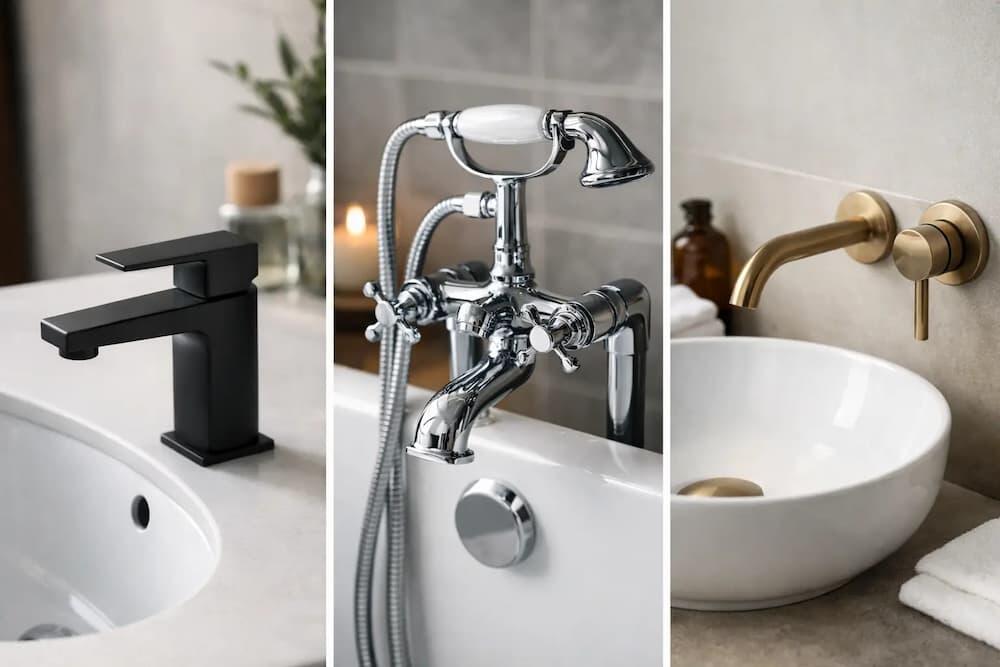
A tap can look perfect in a photograph and still be wrong for the room. It may not suit your water pressure, fail to reach the centre of the basin, clash with the bath mounting arrangement, or simply feel awkward to use every morning. Knowing how to choose bathroom taps means balancing those practical details with the finish and shape that give your new bathroom its sense of everyday luxury.
For a spa-inspired bathroom, taps are not an afterthought. They are one of the fittings you touch most often, and their quality is felt in the weight of the handle, the steadiness of the flow and the way their finish sits alongside the bath, shower and furniture. Explore the full range of bathroom taps to find options that match both performance and style.
Start with the basin and bath, not the tap style
Before choosing a design, establish what your sanitaryware can accept. A basin may have one tap hole, two tap holes or none at all. A deck-mounted monobloc mixer needs a single hole, while separate pillar taps require two. A countertop basin with no tap hole will usually need a tall basin mixer mounted through the worktop, or a wall-mounted tap.
Measure carefully. The spout needs to project far enough for water to land comfortably in the bowl, rather than on its back edge or close to the plughole. This is particularly relevant with wide, shallow countertop basins. Manufacturers provide spout projection and height measurements, so use them rather than judging proportions by appearance alone.
Bath taps need the same attention. A standard straight bath may accommodate deck-mounted taps on its rim, while a freestanding bath usually calls for floor-standing taps or wall-mounted brassware. Some baths have no pre-drilled holes, giving greater flexibility, but the plumbing arrangement needs to be decided before installation. Drilling or changing pipework after tiling can add avoidable cost and disruption.
How to choose bathroom taps for your water pressure
Beautiful brassware must also work properly with your home’s water system. Every tap has a minimum operating pressure, normally shown in bar. If the available pressure is too low, the flow may be disappointing, especially through a bath filler or a shower mixer.
Homes with a combi boiler or an unvented cylinder often have higher-pressure systems, giving more freedom when choosing modern mixer taps. Older gravity-fed systems can deliver lower pressure, particularly upstairs. In those properties, low-pressure-compatible taps are often the sensible choice.
Check both hot and cold supplies, not just the headline specification of the boiler. If you are renovating the complete room, ask your installer to confirm the available pressure at the intended tap location before ordering. A high-flow bath filler is appealing when you want the bath ready for a long soak, but it should be matched to a system that can support it.
Choose the right valve type
The internal valve affects both performance and longevity. Ceramic disc cartridges are a popular choice in quality mixer taps because they give smooth control and are designed for frequent use. Quarter-turn handles are easy to operate and can be especially practical for family bathrooms.
Traditional-style taps may use more classic handle mechanisms, but that does not mean compromising on reliability. What matters is choosing well-made brassware from a supplier that provides clear technical information and supports replacement parts where needed. A tap is a long-term fitting, not a purely decorative purchase.
Pick a mounting style that suits the layout
There are four common tap positions in a bathroom: basin-mounted, bath-mounted, wall-mounted and floor-standing. Each creates a different look and places different demands on installation.
Basin-mounted taps are the straightforward option for many cloakrooms, en suites and family bathrooms. They keep pipework contained below the basin or within furniture, making them practical for most refurbishment projects. A standard-height mixer works well with an inset or semi-recessed basin, while a taller version is made for a countertop bowl.
Wall-mounted taps free up the basin deck and create a clean, architectural appearance. They can make a compact vanity area feel less busy, but the concealed valve and pipework must be installed in the wall before finishes are completed. They are best planned early, particularly where stud walls, tiles and access for future servicing are involved.
Floor-standing bath taps are a natural partner for a freestanding bath, adding real presence to a spacious bathroom. They require supply pipes brought up through the floor, so they are generally easier to include in a full renovation than a quick refresh. For a more restrained scheme, a wall-mounted bath filler may provide the same clear deck around the bath with less visual height.
Consider how the tap will feel every day
The most successful bathroom designs are enjoyable to use, not merely attractive. Think about who uses the room and how. Lever handles are simple to turn with wet or soapy hands. Crosshead handles add traditional character, although their contours can take a little longer to clean. Knurled details offer a tactile, premium feel but suit bathrooms where a more decorative finish is intended.
Spout shape matters too. A waterfall-effect outlet can create a striking flow, while a conventional aerated spout offers a controlled stream with less splash. For a busy family basin, predictability often wins. For a statement bath, the more expressive option may be exactly what the room needs.
If you are fitting a shower over the bath, consider whether a bath shower mixer is the best solution. A quality handset gives flexibility for rinsing hair, cleaning the bath and everyday family use. However, a separate shower valve and enclosure can offer stronger performance and a more dedicated showering experience where space allows.
Match the finish, but do not over-match it
Chrome remains a popular choice because it is bright, versatile and easy to coordinate with many bathroom styles. Brushed brass brings warmth to white sanitaryware, natural stone tones and timber-effect furniture, while matt black offers confident contrast in contemporary rooms. Brushed nickel sits between chrome and brass, with a softer, understated appearance. Browse current tap finishes and styles to see how these options work across a full bathroom scheme.
A coordinated finish across taps, shower controls, wastes, flush plates and accessories can make a bathroom feel carefully considered. That does not mean every metal must be identical. For example, brushed brass taps can sit beautifully with a mirror that has a slim black frame, provided the overall palette is deliberate.
Be realistic about maintenance. Highly polished finishes show water marks more readily in hard-water areas, while matt and brushed surfaces can be more forgiving between cleans. All finishes benefit from a soft cloth and mild cleaning routine. Avoid abrasive pads and harsh chemicals, which can damage protective surface treatments and shorten the life of the brassware.
Do not overlook wastes, overflow fillers and plumbing details
The details that sit below and beside the tap affect the finished result. A click-clack basin waste is convenient, but it should be compatible with the basin and its overflow arrangement. Some countertop basins need an unslotted waste because they have no overflow; using the wrong type can lead to unwanted water escaping.
For baths, an integrated overflow filler can reduce clutter by filling the bath through the overflow rather than a separate spout. It is a neat option in a modern scheme, though it needs suitable concealed plumbing and should be selected as part of the wider bath installation.
Also check whether flexible tails, fixing kits and valves are included, and whether isolation valves will be accessible after fitting. These are modest technical points, but they make maintenance far simpler if a cartridge or hose ever needs attention.
Set a budget around quality where it counts
It is tempting to spend heavily on tiles or furniture and treat taps as a final line item. Yet taps are moving parts under daily pressure, so quality is worth prioritising. Solid brass construction, dependable cartridges, clear pressure guidance and available spare parts generally offer better value than a cheaper tap that needs replacing early.
That does not require an extravagant budget. The best choice is often a well-specified range in a finish you can use consistently across the room, rather than one expensive statement tap paired with mismatched fittings. If the project includes a whirlpool bath or a generous freestanding bath, choosing complementary bath and basin brassware helps the room feel calm and purposeful rather than assembled in stages. View the complete selection of bathroom taps when planning a coordinated scheme.
A bathroom should support rushed weekday mornings as confidently as quiet evenings at home. Choose taps only after confirming the basin, mounting position and water pressure, then select the finish that makes you pause and enjoy the room. That combination of careful planning and personal taste is what turns a functional bathroom into a space that feels genuinely restorative.