

Whirlpool Bath Pump Guide for Better Bathing
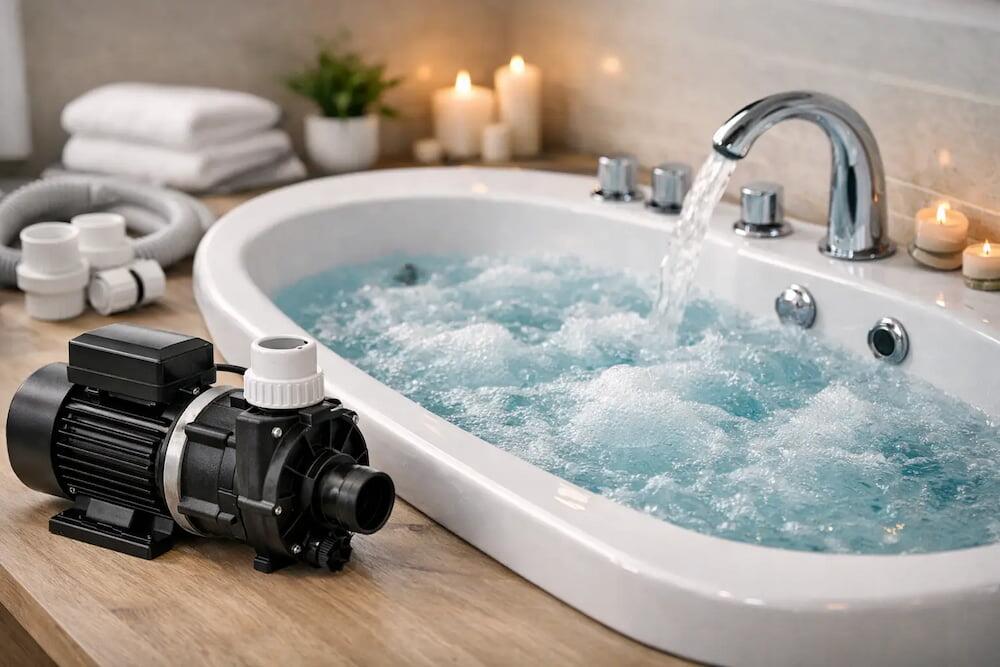
A whirlpool bath can look beautifully simple once installed: a generous bath, a neat set of jets and a moment of calm at the end of the day. Behind that experience sits the pump. This whirlpool bath pump guide explains what it does, where it goes and the practical details worth getting right before your bathroom is fitted.
For most homeowners, the pump is not the first feature they think about. Bath size, shape and jet layout tend to lead the decision. Yet the pump affects the strength of the massage, the sound in the room, access for future servicing and, ultimately, how enjoyable the bath feels to use. Choosing a specialist bath with a properly planned installation turns a luxurious idea into an everyday pleasure.
What a whirlpool bath pump actually does
The pump draws water from the bath through the system intake and sends it back through the jets under pressure. This circulating action creates the massage effect that distinguishes a whirlpool bath from a standard soaking bath. The number and position of jets influence where the water is directed, while the pump supplies the power behind them.
A well-matched system should feel energising rather than harsh. Stronger is not automatically better: a compact bath with carefully positioned jets can provide a more satisfying massage than a larger model with excessive force in the wrong areas. This is why it is helpful to consider the whole bath system, rather than treating the pump as an isolated specification.
Many baths have adjustable jets, allowing you to alter the direction of the water flow or reduce the output at individual positions. That flexibility matters in a family bathroom, where one person may prefer a gentler soak while another enjoys a more invigorating back massage.
Choosing the right pump for your bathroom
In most cases, the pump is supplied as part of a complete whirlpool bath system and is specified to suit that particular bath. This is generally the best route for a renovation, as the bath, jet configuration and controls have been designed to work together. Replacing or selecting a pump separately is more technical, particularly with older installations, and should be approached with the help of a qualified installer or specialist.
Pump power and bath size
Pump performance needs to be proportionate to the capacity of the bath and the number of jets it serves. A larger corner bath or double-ended model may require more output than a compact single-ended bath because there is more water to circulate and, often, more jets to supply.
Do not assume that a higher-powered pump will create a better bathing experience. Too much force can make the water feel turbulent, increase operational noise, and reduce the sense of relaxed comfort you want from a spa-style bathroom. The right balance delivers distinct, consistent jet action without overwhelming the bather.
If you are comparing models, focus on the complete specification: the bath dimensions, jet count and placement, control type, pump arrangement and the manufacturer’s installation requirements. It is a more useful comparison than looking at a single power figure alone.
Noise and vibration
All whirlpool pumps make some sound when operating. The aim is not total silence, but a controlled, well-installed system that does not transmit unnecessary vibration through the bath, floor or surrounding furniture.
Pump location has a real effect here. A pump fitted securely on an appropriate base, with suitable clearance and sensible pipe routing, is less likely to create rattles or resonant noise. In an upstairs bathroom, installers should also consider the floor construction and whether additional support or acoustic measures are appropriate.
The bath panel is another practical consideration. A lightweight or poorly fitted panel can amplify vibration, while a correctly fitted panel helps keep the finished installation neat and composed. If quiet operation is a priority, raise it before work begins rather than trying to solve it after tiling and panelling are complete.
Access is not optional
A pump needs to be accessible for inspection, maintenance and possible repair. It should never be permanently enclosed behind tiles, fitted furniture or a sealed bath surround with no practical route in.
This does not mean compromising the appearance of your bathroom. A removable bath panel or discreet access point can preserve a clean, premium finish while allowing an engineer to reach the pump and connections when needed. The key is to plan this alongside the bath layout, not as an afterthought.
Access requirements vary between models, so follow the product instructions precisely. Leave enough working space around the pump for safe servicing, and make sure your installer understands which panel or section can be removed without damaging the room.
Installation checks before you order
A whirlpool bath is a specialist bathroom product, and the installation should be treated accordingly. The bath needs suitable plumbing, electrical provision and structural support, along with space for the pump and an access solution. Checking these essentials at the design stage prevents costly changes later.
Start with the room dimensions, including doorways, stairs and turns that affect delivery. A generous bath may fit perfectly on a plan but prove difficult to bring into a first-floor bathroom. Measure the proposed position carefully, including the clearance required for taps, waste connections and removable panels.
The filled weight also deserves attention. Water is heavy, and a large bath plus the person using it places a significant load on the floor. This is rarely a problem when the floor is sound and the bath is installed correctly, but older properties, larger models and altered floor structures may need an installer or structural professional to assess the situation.
Electrical work must be carried out by a suitably qualified electrician in line with current UK bathroom regulations. A whirlpool bath pump operates in a wet environment, so the electrical supply, isolation arrangements and protective devices must be planned correctly. Do not rely on an existing nearby socket or assume that a standard bath installation has the necessary provision.
Good plumbing is equally important. Confirm that the waste route has adequate fall, the water supply suits your chosen taps and there is enough room to connect everything without forcing pipework into tight bends. Proper installation may not be the most glamorous part of a bathroom project, but it protects the comfort and reliability of the finished room.
Using and maintaining the pump system
A whirlpool bath should be simple to enjoy. Fill the bath so the water level is above the jets before switching on the system. Running a water-based whirlpool system without sufficient water can affect performance and is best avoided. Once the jets are active, adjust them to suit your preferred position and intensity.
After bathing, allow the system to drain fully. Residual water can remain in pipework, which is normal, but regular cleaning helps keep the system fresh. Follow the care guidance supplied for your particular bath and use cleaning products suitable for acrylic surfaces and whirlpool systems. Harsh abrasives can dull the finish, while inappropriate chemicals may affect seals or components.
A sensible routine includes wiping the bath after use, keeping jet faces clean and periodically running the manufacturer-recommended cleaning cycle. If the jet flow becomes weaker, uneven, or noisier than usual, stop using the system and arrange for it to be checked. Minor issues such as a loose fitting or restriction are easier to resolve before they become more disruptive.
When a replacement pump may be needed
If an existing whirlpool bath is no longer performing as it should, the pump may be one possible cause, but it is not always the answer. Reduced jet pressure can result from a blockage, a control issue, a plumbing fault or a problem with the jets themselves. A change in noise may point to vibration, worn components or an installation issue.
Before ordering a replacement, identify the bath model, system type and existing pump details. Photographs of the label, connections and installation area can help a specialist establish whether a like-for-like replacement is available and appropriate. Compatibility matters: a pump that physically fits may still be unsuitable for the original controls, pipework or jet layout.
For older baths, it can be worth weighing repair against replacement. If the bath surface, pipework and overall system remain in good condition, a compatible repair may offer excellent value. If multiple parts are ageing or the room is already due for renovation, a new whirlpool bath can provide updated styling, improved controls and a fresh warranty position.
A better bath starts with thoughtful planning
The best whirlpool bath installations feel effortless because the technical choices were made early. Select a bath that suits how you relax, give the pump adequate space and access, and use qualified professionals for the plumbing and electrical work. With those foundations in place, your bathroom can offer the kind of restorative comfort that makes an ordinary evening feel a little more special.
Related reading
- Whirlpool Bath Installation Guide – electrical requirements, wet testing, pump access and key safety checks
- How Do Whirlpool Baths Work? – understanding the closed-loop system the pump powers
- How to Clean Your Whirlpool Bath – routines that protect jet performance and the pump
- Whirlpool Bath Safety Features That Matter – electrical design, access and safe everyday use
Frequently asked questions
Does a more powerful pump always mean a better massage?
No. Pump output needs to match the bath size and jet layout. Too much force can feel turbulent and increase noise, while a well-matched system delivers consistent, comfortable jet action.
Why is pump access so important?
The pump must remain reachable for inspection, maintenance or repair. Permanent enclosure behind tiles or sealed panels can turn a simple service into a major disruption later.
Can I run the jets without enough water in the bath?
No. Always fill the bath so the water covers the highest jets before switching the system on. Running a water-based pump dry can affect performance and risk damage.
Who should carry out the electrical work for a whirlpool bath pump?
A suitably qualified electrician, in line with current UK bathroom regulations. The supply, isolation and protective devices must be planned correctly for a wet environment.