

Whirlpool Bath Maintenance Checklist for Lasting Comfort
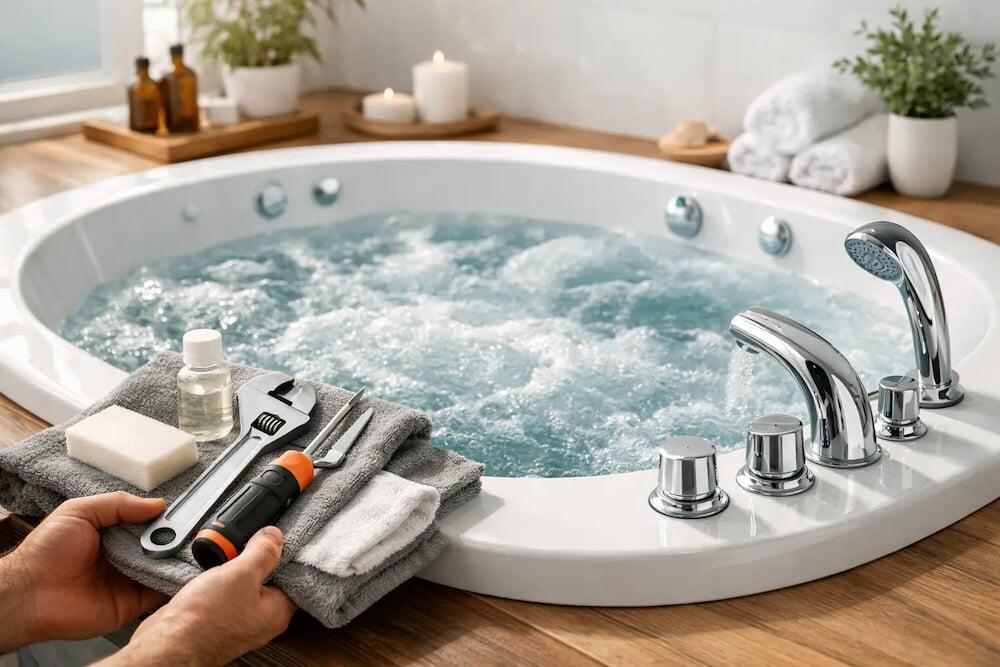
A whirlpool bath earns its place in the bathroom on the evenings when a standard soak simply will not do. The jets, warm water and quiet pause from a busy household should feel effortless, which is exactly why a simple whirlpool bath maintenance checklist is worth following. A little regular care protects the pumps and pipework behind that experience while keeping the acrylic looking as inviting as the day it was fitted.
Unlike a conventional bath, a whirlpool model has water channels, jets and a pump system that deserve attention beyond the visible shell. The good news is that maintaining one need not be complicated or time-consuming. Consistent, gentle cleaning is usually more effective than occasional heavy-duty cleaning.
Your Whirlpool Bath Maintenance Checklist
Use the following routine as a practical guide, but always give priority to the care instructions supplied with your particular bath. Cleaning requirements can vary according to the jet system, controls and finish.
After every bath: rinse, drain and dry
Once you have finished bathing, allow the bath to drain completely. Run clean water around the inside of the shell to rinse away bath oil, soap residue and any product left near the jets. A soft microfibre cloth is ideal for wiping the acrylic dry, particularly around the rim, controls and jet faces where water marks tend to gather.
This small habit is one of the best ways to preserve the polished finish of an acrylic spa bath. It also means you are less likely to need abrasive cleaning later, which can dull the surface over time.
Take a moment to check that no hair, tissue or small objects are sitting in the drain area. If your bath has an accessible suction cover or filter, inspect it visually and remove debris only as directed by the manufacturer. Do not force covers or fittings that are not designed for routine removal.
Weekly: clean the shell and jet surrounds
For normal use, clean the bath once a week with warm water, a soft cloth and a mild, non-abrasive bathroom cleaner suitable for acrylic. Apply the cleaner to the cloth rather than spraying it heavily around controls, air intakes or jet openings. Rinse thoroughly and buff dry for a clean, glossy finish.
Avoid scouring pads, abrasive cream cleaners, strong solvents and undiluted bleach. They may seem effective on stubborn marks, but can scratch acrylic, affect chrome finishes or damage seals. If you are unsure about a product, test it on a discreet area first or choose a cleaner specifically intended for acrylic baths.
It is sensible to keep bath products simple, too. Foaming bubble baths, oils and richly coloured products can leave residue in the system, especially when used frequently. That does not mean every luxury bathing product is off limits, but use them sparingly and select products labelled as appropriate for whirlpool baths where possible.
Monthly: flush the internal system
The internal flush is the key task in any whirlpool bath maintenance checklist. It cleans the water pathways that cannot be reached by hand and helps prevent the build-up of soap, body oils and residue inside the pipework.
Start by filling the bath with warm water until the jets are covered, following the minimum fill level stated for your model. Add a manufacturer-approved whirlpool system cleaner at the recommended dose. Run the whirlpool function for the specified time, usually long enough to circulate the cleaning solution through the system. Then drain the bath, refill it with clean water and run the jets again briefly to rinse away any remaining cleaner.
Wipe the shell dry once complete. If the bath is used by several people or enjoyed several times a week, a fortnightly flush may be more appropriate. For an occasionally used ensuite bath, monthly care will often be sufficient. Usage, rather than the calendar alone, should set the rhythm.
Every three to six months: inspect the details
A closer inspection a few times a year can spot minor concerns before they interrupt your relaxation. Look around each jet, the bath waste and the control panel for discolouration, loose trim or signs of leaking. Check the silicone seal between the bath and wall or panels for gaps, lifting or darkened areas that may need attention.
Listen to the pump while the system is running. It should sound steady rather than strained, rattling or unusually loud. Also check that all jets are operating as expected. A reduced flow can sometimes be resolved by a proper system flush, but persistent uneven performance calls for specialist advice rather than repeated cleaning products.
If your bath includes a removable filter, clean or replace it only at the interval and in the method specified by its instructions. Filters are not universal, and using an unsuitable replacement can affect performance.
Cleaning a Whirlpool Bath Safely
The temptation with a luxury bathroom fitting is to make it sparkle with the strongest cleaner in the cupboard. With a whirlpool bath, gentler is better. The acrylic surface, jet faces, seals and electrical controls each have different tolerances, so one aggressive chemical can create more problems than it solves.
Keep water away from external electrical connections and never remove pump access panels or attempt repairs with the power connected. If a jet or control needs more than surface cleaning, arrange for a qualified bathroom or electrical professional to assess it. This is particularly relevant in older installations, where seals and connections may have experienced years of use.
Limescale is another common consideration in hard-water areas across the UK. Treat visible deposits promptly with a mild acrylic-safe limescale product, used carefully according to its label. Do not leave descaling products sitting in or around jets for longer than advised. Regular wiping is far kinder to the bath than allowing mineral deposits to harden.
Habits That Keep Your Spa Bath Performing Well
A well-maintained whirlpool bath is as much about how it is used as how it is cleaned. Fill the bath above the jets before switching on the system, unless your manufacturer explicitly advises otherwise. Running a pump without adequate water can place unnecessary strain on it and may cause noisy operation.
It is also worth ventilating the bathroom after use. Open a window where practical or use the extractor fan to reduce lingering moisture. This protects the wider bathroom, including seals, painted surfaces and cabinetry, while allowing the bath area to dry more quickly.
For a busy family bathroom, agree on a simple rule: the whirlpool function is for clean bath water, not a bath already heavy with shampoo, foam or laundry-day debris. It is an easy distinction that helps keep the system fresh between cleans.
When to Call a Specialist
Some issues are not maintenance jobs. Contact a qualified professional if you notice water beneath the bath, a repeated tripping of the electrical supply, burning smells, a pump that will not start, or a significant change in noise or jet pressure. Switch off the system and avoid using it until the cause has been checked.
A slow drain may simply be a local blockage, but do not assume it is connected to the whirlpool system. Likewise, a jet that seems weak may need cleaning, adjustment or professional inspection depending on the bath design. Accurate diagnosis protects both the bath and your bathroom investment.
At The Spa Bath Co., we understand that the appeal of a whirlpool bath lies in reliable, everyday indulgence rather than complicated upkeep. Set a monthly reminder for the internal flush, keep a soft cloth close by, and your bathroom can remain a restorative place to step into whenever you need it most.
Frequently Asked Questions
How often should I flush the internal system of my whirlpool bath?
For most households a monthly system flush is a good baseline. If the bath is used several times a week or with bath oils and foaming products, a fortnightly flush is often better. Occasional use may only need a flush every six to eight weeks. Always follow the manufacturer’s guidance for your specific model.
Can I use ordinary bathroom cleaners on an acrylic spa bath?
Only mild, non-abrasive cleaners designed for acrylic are suitable. Avoid scouring pads, abrasive cream cleaners, undiluted bleach and strong solvents, as these can scratch the surface, damage seals or affect chrome finishes. When in doubt, test on a small discreet area first.
Why is it important to fill the bath above the jets before switching the system on?
Running the pump without enough water can place unnecessary strain on the motor, cause noisy operation and, in some cases, damage the system. Always cover the jets fully unless your manufacturer’s instructions state otherwise.
What should I do if a jet seems weak or the pump sounds different?
First carry out a proper system flush. If the problem continues, stop using the bath and contact a qualified bathroom or electrical professional. Persistent changes in noise, pressure or performance should not be ignored.
Do I need special products for hard-water areas?
Yes. In hard-water parts of the UK, wipe the shell and jet surrounds regularly and treat visible limescale promptly with a mild acrylic-safe descaler. Leaving deposits to harden makes cleaning harder and can affect the appearance of the finish over time.
Related Articles
- How to Clean Your Whirlpool Bath – Maintenance Guide
- How to Clean Whirlpool Bath Jets Properly
- How to Install a Whirlpool Bath Properly
- Spa Bath Electrical Requirements Explained
Ready to enjoy a beautifully maintained spa bath?
Browse Whirlpool Baths