

Bath Taps Buying Guide for a Better Bathroom
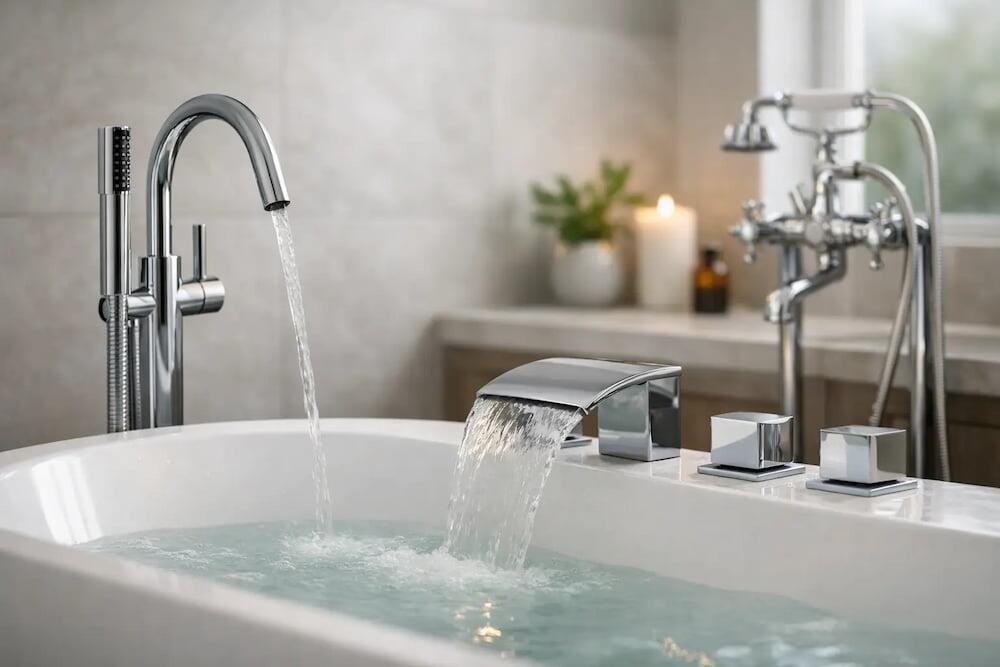
A bath tap can make a freestanding bath feel like the centrepiece it deserves to be, or make a carefully planned bathroom feel compromised. This bath taps buying guide focuses on the decisions that affect daily use as much as appearance: where the tap will sit, whether your water pressure can support it, and how it works with the bath you have chosen.
For a spa-inspired bathroom, the right tap should look considered without getting in the way of a long, comfortable soak. It also needs to suit the plumbing already in place, particularly when renovating an existing room. Getting those details right before ordering saves unnecessary changes later.
Start with the bath and its tap holes
The bath itself usually narrows down the choice of taps. Some baths are supplied with pre-drilled tap holes, while others are designed to be used with wall-mounted or floor-standing brassware. Never assume that every bath can take every tap style.
A standard straight bath or shower bath often has two tap holes on the rim. These are suited to deck-mounted bath filler taps or bath shower mixer taps. A bath shower mixer includes a handset and hose, which is useful for rinsing the bath, washing hair or bathing children. It is a practical choice where there is no separate shower enclosure, although the hose needs a neat, secure home when not in use.
Freestanding baths are commonly paired with floor-standing taps. The combination creates a clean, architectural look because the tap rises from the floor beside the bath rather than interrupting its rim. This option needs pipework beneath the floor, so it is best agreed early in the project. In a solid floor, installation can involve more preparation than homeowners expect.
Wall-mounted taps are another elegant option for freestanding, back-to-wall and inset baths. They keep the bath edge clear and can make compact spaces appear less busy. Their trade-off is that the spout projection must be measured carefully. It needs to reach comfortably over the inside of the bath, not merely the outer rim.
Choose a bath tap style that suits how you bathe
A bath filler delivers water through a fixed spout. It is the straightforward choice for a dedicated bathing space, especially if you already have a separate shower. Fewer components can also mean a calmer, more minimal finish.
Bath shower mixers add flexibility. The handset is especially handy in family bathrooms, but consider the overall layout. If it will be used as the main shower, a suitable bath screen or curtain arrangement is essential, along with safe positioning for controls and the shower head. A mixer tap alone does not turn every bath into a comfortable everyday shower.
For a whirlpool or spa bath, think about how the tap position affects entry, comfort and access to the bath’s features. A tap placed where you naturally lean back can quickly become an irritation. Bath-mounted fittings may be appropriate on certain models, while wall-mounted or floor-standing alternatives can leave the rim uncluttered. Check the bath specification and discuss the intended tap arrangement before finalising the installation.
Traditional taps, with crosshead handles and shaped spouts, bring character to period homes and classic bathroom schemes. Contemporary taps tend to use crisp lines, lever handles and slimmer forms. Neither is automatically more practical. The better choice is the one that complements your bath, basin and shower fittings without forcing every item to match too literally.
Check water pressure before falling for the design
A beautiful tap is only satisfying if it produces a useful, consistent flow. This is why minimum operating pressure deserves attention early on. Each tap has a recommended pressure range, usually stated in bar, and it should be compatible with your home’s water system.
Homes with a combi boiler are often supplied at mains pressure, though performance still depends on the incoming supply and how many outlets are being used. Gravity-fed systems can have lower pressure, particularly upstairs. In these homes, a tap designed for low-pressure operation may be the sensible choice, or the wider plumbing system may need to be assessed as part of the renovation.
Do not use the pressure of a kitchen tap as a reliable measure of what the bath will receive. Pipe runs, stored hot water, pumps and other fittings all influence performance. An installer can confirm the available pressure and advise whether a selected bath shower mixer will give the flow you expect.
Also consider flow rate. A high-flow tap fills a generous bath more quickly, which can be appealing for a deep soak. However, it may not be ideal where water pressure is limited or hot-water capacity is modest. A larger bathing experience should feel indulgent, not leave the household waiting for the cylinder to recover.
Think beyond chrome when choosing a finish
Chrome remains a popular bath tap finish for good reason. It reflects light, works with almost any bathroom palette and is easy to coordinate with existing accessories. Polished chrome can show water marks, however, so a quick wipe after use keeps it looking its best.
Brushed brass brings warmth to neutral tiles, stone-effect surfaces and softer spa-style schemes. Brushed nickel offers a quieter metallic look, while matt black can create striking contrast against pale baths and walls. These finishes are excellent design tools, but they require a little more care in selection.
Aim to choose brassware from the same finish family where possible. Two products described as brass or black may differ noticeably in tone, sheen and texture between manufacturers. If you are buying taps, a shower valve, wastes and accessories together, viewing them as a group helps create a more deliberate result.
Finish also affects maintenance. Matt and brushed surfaces often disguise fingerprints better than highly polished finishes, but limescale can still build up around the spout and aerator. Use a soft cloth and a suitable non-abrasive cleaner. Harsh chemicals or scouring pads can damage protective coatings and dull the surface.
Do not overlook valves, wastes and practical clearances
The components around the tap matter just as much as the tap itself. A bath waste should suit both the bath and the intended use. A click-clack waste gives a neat modern finish, while a traditional plug and chain may better suit a classic scheme. Overflow placement, waste finish and access for future maintenance are all worth checking before the bath is fitted.
Measure the available space around the bath as well. Floor-standing taps need room for the installer to make connections and for the tap to sit at a sensible distance from the bath edge. Wall-mounted options need adequate clearance above the rim and a spout length that avoids splashing. With deck-mounted taps, make sure there is space behind the bath for the pipework and for operating the handles comfortably.
If you are replacing a bath tap rather than redesigning the room, the existing pipe centres and mounting arrangement can be decisive. A like-for-like replacement is usually simpler. Moving from a deck-mounted tap to a wall-mounted model may be worthwhile for the finished look, but it is a plumbing alteration rather than a quick cosmetic change.
A buying checklist for bath taps
Before placing an order, confirm these essentials with your installer or bathroom specialist:
- the bath type, tap-hole arrangement and recommended fitting position;
- whether you need a bath filler or a bath shower mixer;
- your available hot and cold water pressure;
- the tap’s minimum operating pressure and spout projection;
- compatibility with the planned waste, overflow and any bath screen;
- the finish and how it will coordinate with the rest of the room;
- installation access beneath the floor, behind the wall or around the bath.
For larger bathroom projects, it helps to choose the bath and brassware together rather than treating taps as a final accessory. At The Spa Bath Co., that joined-up approach is particularly valuable when a luxury bath is the focus of the room, as the right fittings protect both its comfort and its visual impact.
The best bath tap is not simply the one with the most striking finish. It is the one that fills your bath well, sits naturally within the room and makes every bath feel easy to enjoy. Give the practical details the same attention as the styling, and the result will feel considered long after the renovation is complete.
Related articles
- How to Choose Bathroom Taps for Your Home
- Best Taps for Modern Bathrooms
- Planning Your New Bathroom
- What Is A Whirlpool Bath?
- Spa Bathroom Renovation Guide for UK Homes
Frequently asked questions
What is the difference between a bath filler and a bath shower mixer?
A bath filler delivers water through a fixed spout only. A bath shower mixer adds a handset and hose so you can rinse the bath, wash hair or bathe children. Choose a mixer only if the layout supports safe, practical use of the handset.
Do freestanding baths need floor-standing taps?
Not always. Floor-standing taps are the classic pairing and keep the rim clear, but wall-mounted taps also work well with freestanding, back-to-wall and many inset baths provided the spout projection is correct.
How important is water pressure when buying bath taps?
Very. Every tap has a minimum operating pressure (usually in bar). Gravity-fed systems, especially upstairs, often need low-pressure-rated taps or a system upgrade. Always check the available pressure before ordering.
Should bath taps match the rest of the brassware exactly?
Aim for the same finish family rather than forcing identical products from different ranges. Slight variations in tone and sheen between manufacturers are common, so view taps, wastes and accessories together where possible.